Birth Trauma therapy — covered by Oxford Health Plans
"My birth experience left me shaken. I can't stop replaying it."
An estimated 1 in 3 women describe their birth experience as traumatic.
No commitment. We'll confirm your coverage before your first session.

Using your Oxford Health Plans benefits
Phoenix Health is in-network with Oxford Health Plans, which is a United Healthcare company operating primarily in the Northeast — particularly New York, New Jersey, and Connecticut. Oxford plans are common with employer-sponsored insurance in the New York metro area. If your card says Oxford Health Plans or Oxford Health, you're on a United Healthcare network and your benefits are administered through UHC's infrastructure. Oxford plans typically cover outpatient mental health therapy at a specialist copay after your deductible, and telehealth is covered at parity with in-person sessions. Because Oxford operates under the UHC umbrella, some Oxford plans also route behavioral health through Optum — if you see Optum mentioned in your benefits, your mental health claims are processed through Optum's network even though your primary card says Oxford. Before your first session, we verify your specific Oxford plan benefits, check your deductible status, and confirm whether prior authorization is required. Sessions are FSA and HSA eligible. If you want to verify your coverage directly, call the member services number on your Oxford card or log into the United Healthcare member portal, which consolidates UHC and Oxford benefit information.
✓ In-network coverage
Your benefits apply directly — no superbills or out-of-network claims.
✓ Benefits verified upfront
We confirm your copay and deductible before your first session, at no charge.
✓ Telehealth covered
Your plan covers virtual sessions at the same rate as in-person specialist visits.
Our Birth Trauma specialists who accept Oxford Health Plans
All Phoenix Health therapists hold or are working toward PMH-C certification — the gold standard in perinatal mental health.

Lyndsay Ward
LCSW, PMH-C
Lyndsay is a Licensed Clinical Social Worker in New York dedicated to guiding parents through the unique challenges and transitions found in every stage of the family-building journey.
Licensed in NY

Analisa Velasco-Lopez
LCSW
Analisa is a bilingual Licensed Clinical Social Worker in California who offers a holistic and trauma-informed approach to supporting parents through every stage of their family-building journey.
Licensed in CA

Deborah Edelson
LCSW
With over 30 years of experience, Deborah brings deep wisdom and compassion to her work with parents navigating life's most vulnerable transitions in New York.
Licensed in NY
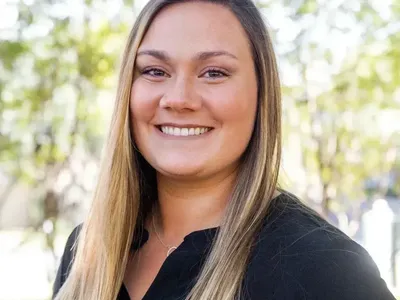
Ashlyn Parides
PHD, PMH-C
Dr. Ashlyn is a licensed psychologist and certified perinatal mental health provider (PMH-C) in Texas, licensed to practice in over 40 states through PsyPact.
PsyPact provider — 40+ states

Nadine Mejia
LCSW, PMH-C
Nadine is a licensed clinical social worker who helps parents navigate postpartum depression, grief, and major life transitions in California, South Carolina, and Florida.
Licensed in CA, SC, FL

Jessica Rudzinski
LPC, LMHC, PMH-C
Jessica works with hopeful and current parents facing infertility, pregnancy loss, and postpartum transitions in South Carolina, New York, and Florida.
Licensed in SC, NY, FL
Real clients. Real relief.
What our clients say about their experience.
⭐⭐⭐⭐⭐
“Everyone kept saying 'at least the baby is healthy.' I know they meant well. But I still had to live inside a body that went through something traumatic, and nobody seemed to think that mattered. My therapist was the first person who acknowledged both things could be true at once — that I could be grateful and also need to heal.”
— mom of 1
⭐⭐⭐⭐⭐
“My labor lasted 38 hours and ended in an emergency I wasn't prepared for. I couldn't tell the story without reliving it. My therapist used EMDR and something shifted — I could finally talk about what happened without leaving my body. I didn't know that was possible. I tell every pregnant person I know about perinatal therapy now.”
— mom of 3
⭐⭐⭐⭐⭐
“My emergency C-section left me with nightmares and panic attacks. I couldn't talk about the birth without shaking. Therapy helped me process the trauma and reclaim my story. I'm pregnant again now, and I actually feel ready.”
— expecting mom of 1





How your Oxford Health Plans coverage works
We verify your benefits
Before your first session, we check your specific plan to confirm coverage and estimate your out-of-pocket cost.
Standard copay after deductible
Most clients pay a specialist copay ($20–$60 depending on plan) once their deductible is met.
FSA and HSA eligible
Therapy sessions qualify as a medical expense — you can pay with pre-tax FSA or HSA dollars.
Questions about your Oxford Health Plans coverage? We're happy to help — reach out before your first session.
Your rights under federal parity law
Under the Mental Health Parity and Addiction Equity Act (MHPAEA), your insurer cannot impose more restrictive limits on mental health coverage than on comparable medical or surgical benefits — no lower visit limits and no higher cost-sharing for therapy than for specialist medical care.
If you're denied coverage, you have the right to appeal and to request a written explanation of the denial criteria.
Questions to ask your insurer:
- Is outpatient mental health covered by my plan?
- What is my specialist copay and my current deductible status?
- Are there any waiting periods before mental health benefits begin?
- Is telehealth covered at the same rate as in-person therapy?
- Does my plan have a visit limit on mental health services?
How it works
Book your free call
No commitment, no paperwork. Just a short call to tell us what you're going through and confirm we're the right fit.
Get matched
We pair you with the right specialist for your state and situation — and confirm your coverage before you commit.
Start your first session
Meet your therapist from home — no commute, no waiting room. Weekly or biweekly, adjusted to your life.
Common questions
- Birth trauma is defined by how an event felt to you — not whether it looked 'bad' from the outside. Unexpected complications, feeling out of control, not being heard by providers, emergency procedures, or simply an experience that didn't match what you expected can all be traumatic.
- Yes. Trauma-focused therapies like EMDR (Eye Movement Desensitization and Reprocessing) and trauma-informed CBT are effective for birth trauma. Phoenix Health therapists are trained in perinatal trauma and can work with you at a pace that feels safe.
- Most Oxford Health Plans plans cover telehealth behavioral health sessions at the same rate as in-person care under the Mental Health Parity and Addiction Equity Act. Phoenix Health verifies your specific plan benefits before your first session. Your out-of-pocket cost typically depends on your deductible and copay structure.
- PMH-C (Perinatal Mental Health Certification) is awarded by Postpartum Support International (PSI) to clinicians who have completed advanced training in perinatal mental health — covering postpartum depression, anxiety, OCD, birth trauma, and related conditions. It represents the gold standard of specialization in this field.
- If you're struggling — with your mood, your thoughts, your relationship, or just how you're coping — that's enough of a reason to talk to someone. You don't need a diagnosis. A free consultation is a low-commitment first step.
Trusted by leading voices in perinatal health






Ready to talk about birth trauma?
A free 15-minute call is the best place to start — no paperwork, no commitment. We'll confirm your coverage and match you with the right therapist.
Learning resources
💔Read our Birth Trauma guides →Often goes alongside